Sustainability & ESG

Sustainability & ESG

ESG (Environmental, Social, and Governance) and sustainability are interconnected, but distinct, frameworks for measuring a company’s long-term impact and viability.

Sustainability is the broader, holistic goal of operating without harming the planet or society, while ESG provides the specific, measurable metrics and data used by investors to evaluate that performance
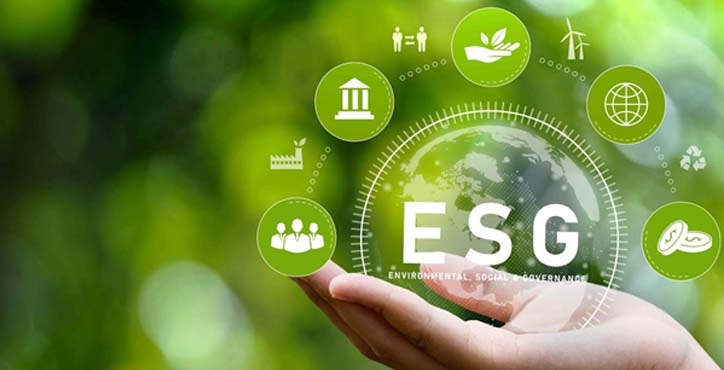

Key Components of ESG

Environmental (E)

Focuses on a company’s ecological impact, including carbon emissions, energy efficiency, waste management, and biodiversity.

Social (S):

Evaluates how a company manages relationships with employees, suppliers, customers, and communities, covering labour practices, diversity, equity, and inclusion (DEI), and human rights.

Governance (G)

Concerns a company’s leadership, auditing, internal controls, and shareholder rights, including board composition and executive pay. 

Key Differences: ESG vs. Sustainability

Scope

Sustainability is a long-term, high-level philosophy focused on future generations. ESG is a tangible, data-driven framework used to measure that progress.

Purpose

Sustainability often aims for positive impact, whereas ESG is often utilized to manage risk and, for investors, to enhance long-term financial returns.

Application

ESG metrics (e.g., carbon footprint) allow stakeholders to compare company performance, making them critical for investment decisions.